New Year, Smarter Comfort: Best Winter Settings for Smart Thermostats
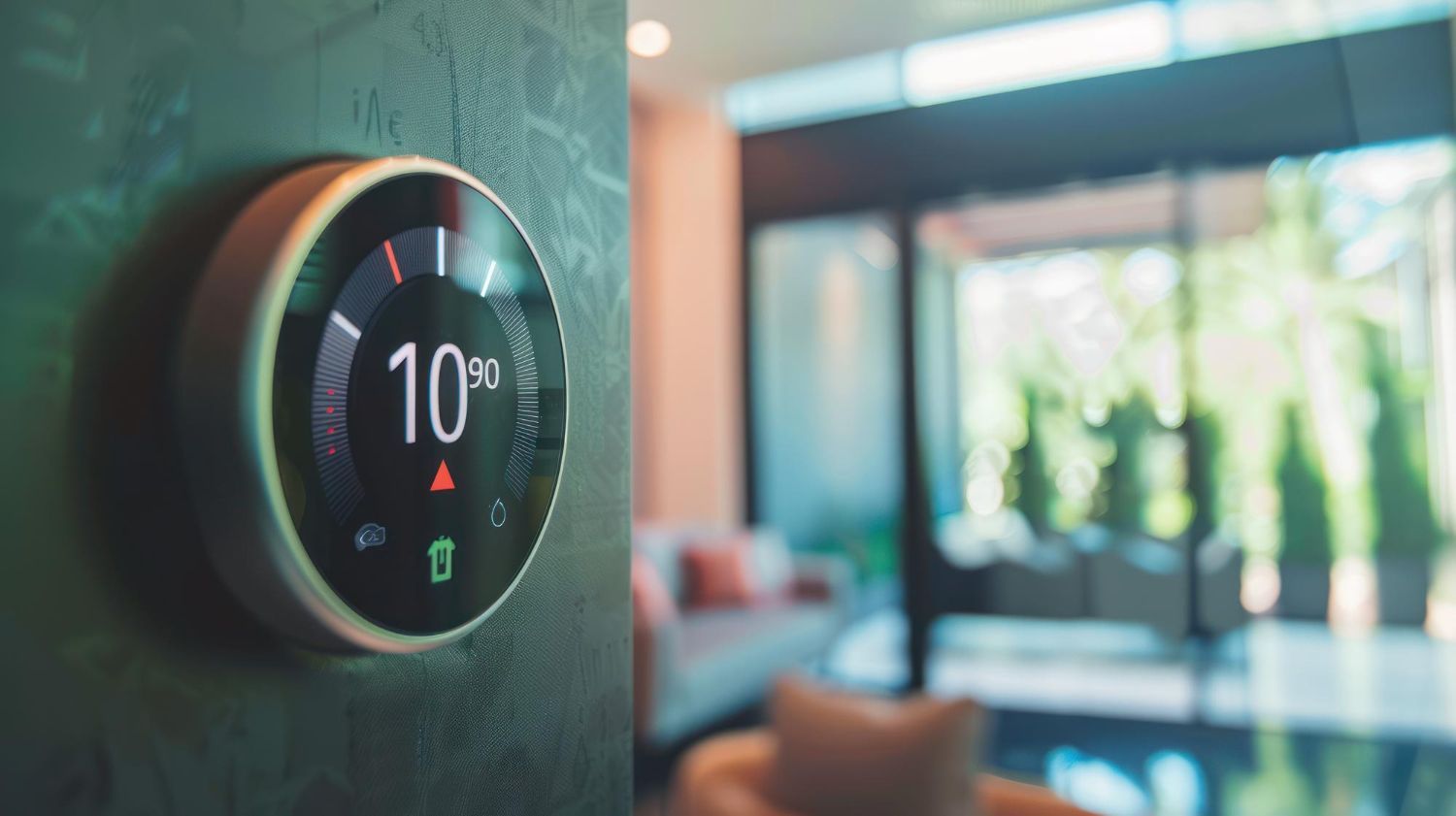
Ready to start January with lower energy bills and better comfort? Smart thermostats can do both—especially during Roanoke’s coldest stretch. With the right winter settings and a professional smart thermostat installation, you can fine-tune heat for busy weekdays, ski weekends in Blacksburg, or quiet mornings at Smith Mountain Lake. Here’s Main Heating & Air Conditioning’s guide to get the most from your smart home thermostat this winter.
What’s the best winter thermostat setting in Roanoke?
People Also Ask: What should I set my thermostat to in winter? For most homes in Roanoke, Salem, and Christiansburg, start with:
- 68°F when you’re home and awake
- 65–66°F while you sleep
- 62–64°F when you’re away for several hours
Important nuance: Heat pumps don’t love big setbacks. Large drops can trigger auxiliary heat (electric resistance), which raises costs. If you have a heat pump, use smaller 2–3°F setbacks and let adaptive recovery warm the house gradually. Gas or oil furnaces can handle deeper setbacks (up to 7–10°F) without a penalty.
Smart schedules that actually work
Dial in a schedule that matches the way Roanoke-area households live and work:
- Weekday routine: 68°F from wake-up to departure, 62–64°F while away, 67–68°F as you return, 65–66°F overnight.
- Weekend hosting: Keep guest rooms comfortable with room sensors; preheat shared spaces 30–60 minutes before gatherings.
- Travel and second homes: Use Away or Eco mode with geofencing for Smith Mountain Lake or Blacksburg trips. The thermostat will lower temps when your phone leaves and warm the house before you’re back.
- Snow days: Use temporary holds instead of changing the whole schedule; resume your program automatically after the event.
Heat pump vs. furnace: settings that save
- Heat pumps: Enable heat pump optimization and compressor protection. Set a modest setback and, if available, lock out auxiliary heat above a chosen outdoor temperature to avoid unnecessary strip heat. Ensure defrost strategies and staging are configured during thermostat setup.
- Furnaces and dual-fuel: Use deeper setbacks and enable “adaptive recovery” so the system ramps up ahead of your schedule without overshooting.
Verify correct equipment type and stages during thermostat setup for efficient cycling.
Use these smart features for bigger wins
- Geofencing and occupancy: Let the thermostat follow you—great for variable office days in Roanoke City or campus commutes in Blacksburg.
- Room sensors: Place in cold bedrooms or bonus rooms over garages to prioritize comfort where people actually are.
- Humidity balance: Aim for 30–50% RH in winter. If your system supports humidification or dehumidification, integrate it for healthier air and fewer static shocks.
- Insights and alerts: Turn on filter-change reminders, low-temperature alerts for pipes, and efficiency reports to spot problems early.
- Energy provider integrations: Some local utilities offer demand-response or rebate programs. We’ll help you connect eligible devices and review settings.
Do smart thermostats really save money?
Yes—when paired with sensible schedules, setbacks, and occupancy features, smart thermostats can reduce heating costs by roughly 8–10% over a season, while improving comfort. Savings vary by equipment type, insulation, and behavior. In older Roanoke and Salem homes, small air sealing and insulation upgrades plus a smart thermostat installation deliver the best ROI. If you’re planning an HVAC system installation soon, we can match your thermostat to your equipment for optimal staging and control.
Avoid common winter mistakes
- Overusing Emergency Heat on heat pumps: It bypasses efficiency. Only use temporarily during repairs.
- Big overnight setbacks on heat pumps: Keep them small to prevent auxiliary heat spikes.
- Ignoring firmware updates: Keep your digital thermostat current for better algorithms and bug fixes.
- Manual tinkering: Let the schedule and adaptive recovery do the work to avoid overshoot and short cycling.
Local insight for the New River Valley
Blue Ridge cold snaps, frequent door openings, and mixed heating types (heat pumps in Roanoke County, gas furnaces in Salem, radiant or boilers in older buildings) benefit from tailored thermostat setup. For second homes near Smith Mountain Lake, remote monitoring and freeze alerts protect pipes without heating empty rooms. Businesses can add smart zoning to conference areas for balanced comfort during year-end planning.
Start the year with smarter comfort
Main Heating & Air Conditioning provides professional smart thermostat installation, setup, and training across Roanoke City, Roanoke County, Salem, Botetourt County, Christiansburg, and Blacksburg. Since 1977, our team has paired modern controls with time-tested service to improve comfort and cut waste. Request your in-home assessment at www.mainheatingac.com and step into the New Year with a thermostat that works as hard—and as smart—as you do.
Share This Blog