Are High-Efficiency Boilers Worth It in Roanoke Valley Homes?
High-efficiency boilers sound like an ideal upgrade—lower bills, less wasted energy, and a modern approach to heating. At Main Heating & Air Conditioning, we field plenty of questions from homeowners across Roanoke and the surrounding areas wondering if these newer systems are as practical as promised.
Here’s the truth: not every house or heating setup is the right match. Before you make a big investment, it’s worth knowing what a high-efficiency boiler can deliver, what might get in the way, and when the payoff just isn’t there.
What We Cover:
1. The Real Savings: What to Expect With High-Efficiency Boilers
2. Key Factors That Drive (or Limit) Your Results
3. When Is It Not Worth Upgrading to a High-Efficiency Boiler?
4. Frequently Asked Questions
5. Should You Make the Switch? Our Straightforward Opinion
The Real Savings: What to Expect With High-Efficiency Boilers
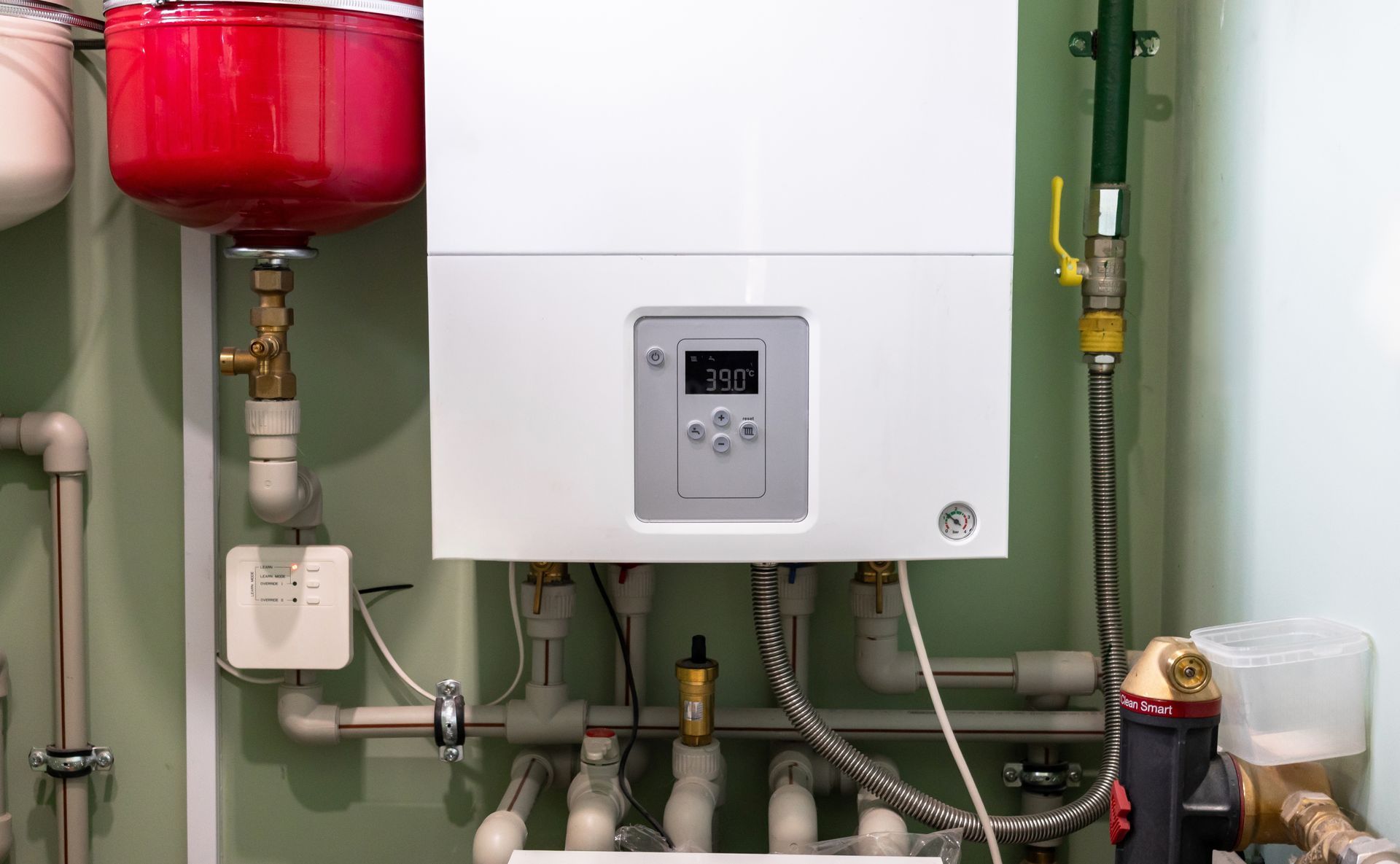
If you’re hoping that a new high-efficiency boiler will cut your utility bills in half overnight, here’s a dose of reality. While these systems are a leap forward from classic models, actual monthly savings depend on a few variables. Efficiency ratings, measured in annual fuel utilization efficiency (AFUE), make a big difference—most high-efficiency models land in the 90–98% range.
But in Roanoke and neighboring towns, those savings really show in homes with large square footage or older, draftier construction. If your current boiler is ancient and poorly maintained, the jump can be noticeable. For newer homes with solid insulation and ductwork, the margin might be less dramatic.
→ From a professional standpoint: Upgrading from a 60% AFUE to 95% AFUE can save a chunk over time—just know it works best when your property conditions need the boost.
Key Factors That Drive (or Limit) Your Results
There’s more to performance than just the system itself. Local mineral content in water, especially in certain Roanoke neighborhoods, can affect boiler lifespan and efficiency if not addressed during installation. Routine filter changes, timely maintenance, and addressing system leaks are crucial for keeping efficiency levels up.
Even the best equipment underperforms when combined with old radiators, undersized pipes, or neglected circulation pumps—details a seasoned HVAC contractor should catch ahead of time. If your last installer skipped these checks, high efficiency won’t mean much in practice.
→ A quick tip to remember: The right boiler in the wrong setup won’t fix your energy problems—integration matters as much as the hardware.
When Is It Not Worth Upgrading to a High-Efficiency Boiler?
Plenty of Roanoke homeowners wonder if higher upfront costs are ever a dealbreaker. Here’s the honest take: If you use your boiler infrequently (like only as a backup) or if your house holds heat well and already has a mid-level efficient system, your payback window may be longer than expected.
Upgrades make less sense when the current system is only a few years old, issues are more about distribution than generation, or your hot water use is minimal. In these cases, regular maintenance of the existing setup and minor repairs often rival the savings from a new, costly replacement.
→ From a professional standpoint: Not every “inefficient” boiler needs immediate replacement—sometimes, smart repair and better controls are all you need.
Frequently Asked Questions
Will a high-efficiency boiler really lower my bills?
For many homes in Roanoke and similar communities, yes—especially if your old unit is running below 75% efficiency or requires frequent service. Trade experience shows that properties with poor insulation or historic design benefit most, but don’t expect drastic drops if your usage patterns stay the same or your home is already updated.
What extra maintenance do efficient boilers need?
High-efficiency boilers rely on sensitive electronic controls, condensing technology, and heat exchangers that require annual attention. Unlike old cast-iron units, trade technicians know to check for mineral scaling, blocked condensate drains, and software updates—skipping this invites both repair bills and efficiency drops. Scheduling service each year protects your investment.
When is it not worth upgrading to a high-efficiency boiler?
Practical cases occur every heating season: if system repairs are rare, your home holds heat well, and your utility bills are already reasonable, replacing a working mid-efficiency boiler might not be worth the upfront cost. At Main Heating & Air Conditioning, we’ve seen homeowners from Roanoke to Smith Mountain Lake fare better by investing in insulation upgrades or smart controls instead of a full system replacement.
→ From a professional standpoint: Prioritize boiler replacement only when the numbers or overall comfort demand it—not just for a modest efficiency bump.
Should You Make the Switch? Our Straightforward Opinion
If you’re considering a high-efficiency boiler for your Roanoke-area home, the clearest path is to weigh the real factors: age of your current system, how much you rely on hot water heating, and what local professionals observe about your property’s heating behavior.
For homes that rack up frequent service calls, experience uneven heating, or have sky-high fuel bills, a high-efficiency unit can be a wise investment—especially when combined with proper maintenance and system updates. But if your existing boiler is well-maintained and still performing, it’s perfectly reasonable to hold off and focus your budget where you’ll see faster payback.
If you still have questions, Main Heating & Air Conditioning is always ready to talk through your situation honestly—no pressure, just real trade experience.
Share This Blog